

Mesothelioma Colon Cancer
Mesothelioma (me-zoe-thee-lih-O-muh) develops in the lining that protects body cavities and organs. The most prevalent type of mesothelioma affects the lining of the chest cavity called the pleura. Other, less well-known types of mesothelioma develop in the lining of the abdomen or around the heart.
Doctors diagnose mesothelioma by using imaging tests, tissue or a fluid biopsy. They can also inject dye into your bloodstream which makes tumors appear more obvious on a CT scan.
Risk factors
Cancer is a disease that develops when a sequence of changes (mutations) in the DNA of cells cause it to grow and multiply beyond control. These mutations can be caused by many diverse factors, including genetic conditions, the environment and your lifestyle choices. The primary mesothelioma-related risk factor is exposure to asbestos. Other risk factors include a family history of mesothelioma as well as age and other health issues.
Polyps are small growths which often do not cause symptoms. Early detection and treatment of these growths can help prevent them from developing into cancerous. Other health conditions, such as inflammatory bowel disease like Crohn's or ulcerative colitis, can increase the chance of developing mesothelioma.
Mesothelioma can be caused by asbestos exposure, and can be caused by anyone who has been exposed to it for a long period of time. Asbestos exposure in the workplace is the main cause of mesothelioma. However it could also be as a result of exposure to asbestos from the secondhand or from living with someone who worked with asbestos.
Mesothelioma can also be more likely to develop when you have an extended family history. Mesothelioma is more likely to be a problem for people who have had it in their family, especially when the person was a male or born before 1950.
Scientists aren't sure what causes mesothelioma. However, it is believed to be caused by genetic and environmental factors. Scientists believe that germline mutations in BAP1 and asbestos exposure is the cause of mesothelioma as well as other cancers, such as esophageal cancer and lung cancer. The BAP1 gene is implicated in the cellular cycle. Therefore, when it is altered, it could alter the way that cells behave.
Symptoms
Mesothelioma symptoms differ based on the site of the tumor and stage of the disease. The symptoms may include pain, fluid buildup, fatigue, and weight loss. Mesothelioma specialists can help prepare patients for what to expect and monitor patient symptoms. They can also provide advice on the mesothelioma treatment that can reduce symptoms and improve the quality of life. Patients should report all changes in their health to their doctor.
Mesothelioma affects the thin tissue that lines the lungs, chest wall, abdomen and other organs. This rare cancer may take 10 to 50 years after asbestos exposure before it develops. As the cancer progresses it can spread from the chest and lungs to different parts of your body. Mesothelioma can also affect the heart sac, testicles and peritoneum.
The early mesothelioma symptoms may be similar to other conditions. Asbestos patients must seek regular medical care and speak to their physicians regarding their asbestos history. If you're experiencing any unusual or persistent symptoms, it is crucial to see an expert.
The most common mesothelioma symptoms are breathing difficulties, a dry cough and abdominal swelling or pain. These symptoms are often aggravated by stress and certain foods and are more likely to appear in late-stages of mesothelioma when the tumor has grown larger.
As mesothelioma peritoneal cancer continues to expand, it puts pressure on the lungs and other tissues, leading to additional symptoms like fatigue, weakness and back pain. A few people also suffer from abdominal pain and feelings of fullness, an unidentified loss of weight and bloating. Mesothelioma is difficult to diagnose because of its rarity and similarity to other diseases like colon cancer.
Mesothelioma can trigger nausea, which could be an indication of the disease. It can also be caused by some medications. Some mesothelioma treatment can also cause back pain, which is caused by bowel movements. Doctors can examine for colon cancer in patients who have a family history. They may use a flexible sigmoidoscopy which uses similar equipment to a colonoscopy, however, it only examines the sigmoid-rectum area.
Diagnosis
The symptoms of mesothelioma are the same as other illnesses and the mesothelioma cells may appear normal. The diagnosis is usually made by a variety of doctors, including consultants and GPs, as well as specialists nurses. They will use different tests to determine if mesothelioma is been detected and what type of mesothelioma is it.
The initial test will consist of a blood sample to see how your body functions and to look for abnormalities. If the doctor suspects mesothelioma they will also do an X-ray of your abdomen or chest. The X-ray shows any changes to the lungs, as well as any accumulation of fluid or thickening around the lungs or chest wall. A CT or MRI scan can also be conducted to provide detailed images of the internal tissues. These can be used to determine the location and size of any cancers, as well as how far mesothelioma has spread.
A biopsy is required to confirm the diagnosis of mesothelioma. A pathologist, or a specialist doctor, will examine the biopsy under a microscope to determine if you have mesothelioma. Mesothelioma is classified as either epithelioid, sarcomatoid, or biphasic according to the structure of the tumour and how it was created.
Peritoneal Mesothelioma (PM) is less prevalent than Pleural Mesothelioma. It is more difficult to identify because the initial symptoms are similar to other illnesses. Your doctor will inquire about your history of asbestos exposure and any symptoms you have, and they will refer you to a specialist for further testing.
Inserting a needle in your body will allow you to collect an insignificant amount of tissue. The biopsy will be sent to a lab for testing for mesothelioma. The biopsy is also used to determine your prognosis, which is influenced by the stage of mesothelioma. The more advanced your mesothelioma is, the worse your prognosis will be. This is because cancer has more time for spreading and causing further damage.
Treatment
Mesothelioma is a type of cancer that affects the mesothelium, which is the lining surrounding certain organs in the body. It is often found in the lungs, but it may also show up in the heart and abdominal organs. Mesothelioma can kill you if it is not treated. It is therefore important to be aware of the risks and seek treatment if you have been exposed to asbestos.
A doctor can test for mesothelioma by taking a small sample of the affected tissue and then examining it under a microscope. This is known as biopsy. A biopsy can be taken in various ways, based on the mesothelioma type. The most popular method to obtain a biopsy to treat cancer of the pleural is by an minimally-invasive procedure known as video-assisted (VAT) Thoracoscopy. Doctors can use the aid of a CT scan or a needle to obtain a core biopsied for peritoneal mesothelioma.
Following a mesothelioma diagnosis patients should consult their doctor about the best treatment options available to them. Ask questions if you don't understand something, and get as much information about the treatment options as you can. Some people also find it helpful to get an additional opinion from a different doctor.
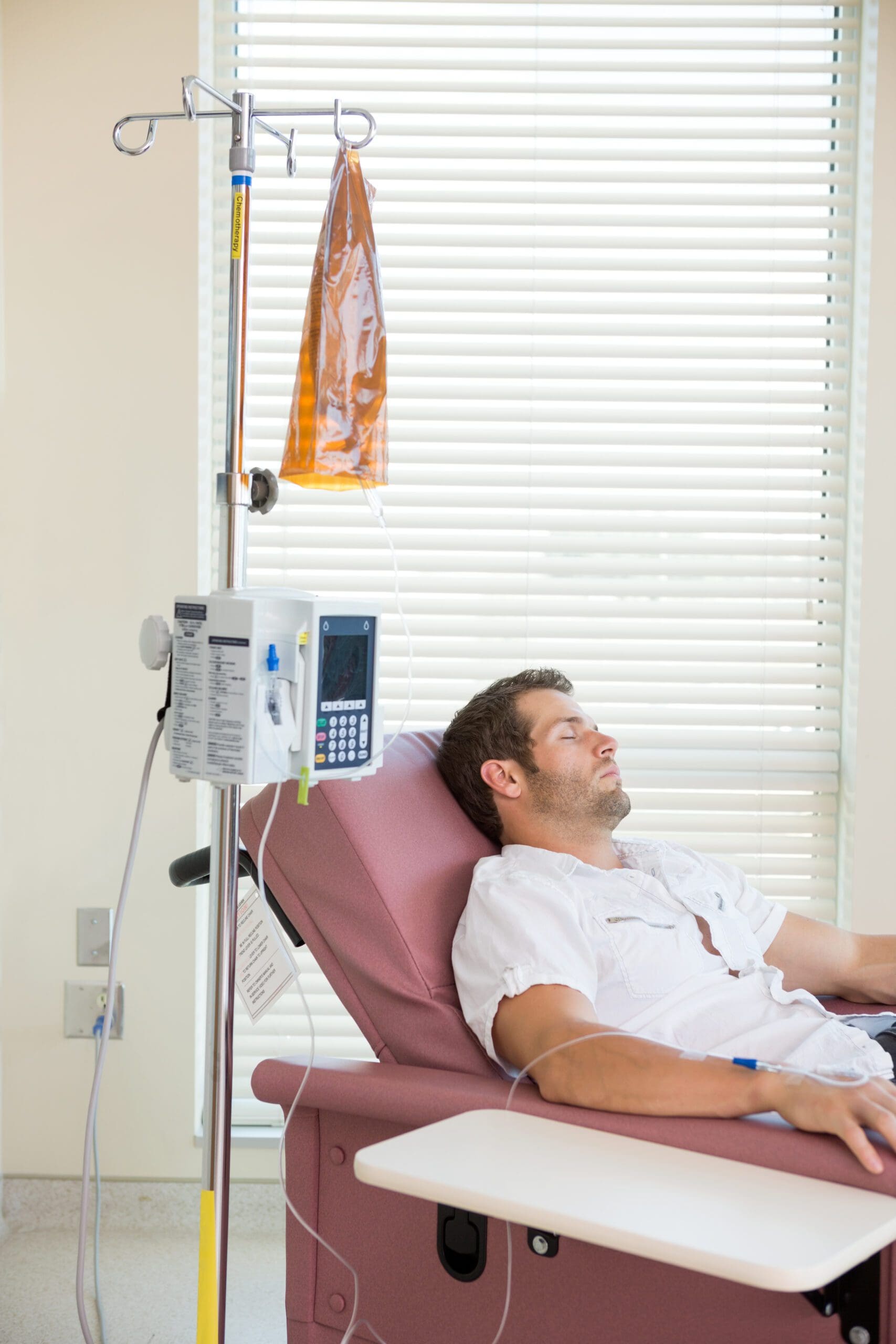
Mesothelioma doctors may use chemotherapy, radiation therapy, or combinations of these treatments to manage the cancer and alleviate symptoms. These types of medications help in stopping the growth of tumors, or blocking signals that tell cancer cells to expand. Patients should let their doctors be aware of any other medications or supplements which include over-the counter medicines and herbal remedies. Certain medications may interact with those used to treat mesothelioma.
In some instances, mesothelioma may not be fully removed by surgery. It could be due to the stage, subtype, the location, or the cancer itself, or because the patient isn't fit enough for surgery. For those with these conditions doctors may recommend other kinds of treatments in order to reduce or slow the growth of the cancer or to alleviate symptoms. This may include chemo and radiation therapy, and patients might want to consider participating in a clinical trial of new treatments if they qualify.